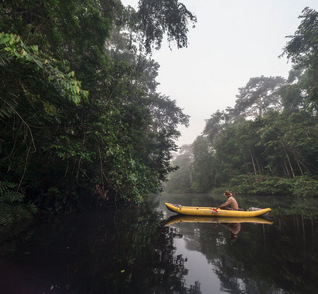
Yasuni National Park sits at the intersection of the Amazon, the Andes, and the equator, converging several unique ecosystems and creating one of the richest biodiversity hotspots on the planet. This rainforest contains the highest diversity of amphibians and reptiles on the planet and is a must-experience for all the herp enthusiasts out there. From bushmasters and tree boas to caiman lizards, anoles and fingered leaf frogs this will be your herping experience of a lifetime!
Upon arrival in Coca (airport or bus terminal), you’ll be met by your local guide. Depending on your time of arrival, you’ll have a chance for breakfast (not included) at «Maitos del Yasuní» a typical restaurant created by the association Challuwa Mikuna to benefit indigenous women.
We’ll then begin a journey of about an hour and 45 minutes in land transport, during this route we will make a couple stops to start birding. Once we arrive at the Tiputini river port we will enjoy a packed lunch and begin our adventure. We embark on a serene journey down the meandering river, nestled within the graceful embrace of our canoe.
Our eyes eagerly scan the verdant banks, anticipating the arrival of avian companions. Soon, a vibrant kaleidoscope of feathered wonders graces our vision: elegant herons gracefully stalking their prey, darting kingfishers with their vibrant plumage, and gentle swans gliding serenely along the water’s surface.
When we arrive at the lodge, you will have time to get to know the facilities and settle into your accommodation. Indulge in a refreshing welcome drink before savoring a delectable candlelit dinner that awaits you in the main house.
Breakfast will be served early in the morning (depending on the time of the group’s flight departure). We’ll begin our trip in our motorized canoe for about an hour and a half; during the relaxing trip, you can say goodbye to the beauty of the Amazon rainforest.
We’ll then be met at the shores of the river and travel overland for about an hour and a half back to Coca, where you’ll be dropped off at the airport for your return to Quito or travel to your next destination.
Breakfast will be served early in the morning. We’ll begin our trip in our motorized canoe for about an hour and a half; during the relaxing trip, you can say goodbye to the beauty of the Amazon rainforest.
We’ll then be met at the shores of the river and travel overland for about an hour and a half back to Coca, where you’ll be dropped off at the airport or bus terminal for your return to Quito or travel to your next destination.
Transportation Quito – Coca – Quito
Additional beverages and snacks; extra meals in Coca before and after the tour
Rain ponchos
Tips
Personal Expenses
Travel insurance
Transport between Coca & Wild Mandari
COMPLETE INFO ON HOW TO GET FROM QUITO TO COCA
ORIGINAL PASSPORT (in waterproof plastic bag)
Fast drying, lightweight clothing including long sleeve shirts and pants
A light jacket for colder nights
Waterproof jacket or rain poncho
Sandals or walking shoes
Thick, absorbent hiking type socks
Hat or cap (MUST)
Sunglasses, sunblock and repellent (no spray)
Water bottle
One small (waterproof recommended) daypack
Flashlight or headlamp with spare batteries
Plastic bags to protect electronic equipment
Camera and Binoculars
Swimming suit
The Amazon Rainforest is characterized by rain, heat and more rain and heat (usually 72°-90°F, 22°-32°C), providing the perfect environment for plants and wildlife! The Amazon is always humid with generous amounts of rain occurring year-round. Both the rainy and “rainier” seasons are great times for an Amazon tour.
Sunshine and rain showers during the day and slightly chilly temperatures at night are a rule of thumb to go by on Amazon rainforest tours.
December and January are the driest months-with January and February being a shoulder season that leads to the months with the heaviest rainfall.
March, April, May, and June see the most precipitation in the Ecuador Amazon Basin. These months coincide with the wet seasonin the rest of the country. Rainfall in the Andes spills over into the Ecuador Amazon Basin-raising water levels of the Napo River and its tributaries.
July through December see a decline in the amount of rain that falls each month. The average temperature in the jungle remains around 25°C (77°F) year-round, but during the dry season, daytime temperatures can reach 40°C (104°F).
There is limited electricity at the lodge; there is a charging station for electronics which functions from 5 pm to 9 pm. There is electric lighting during these hours.
There is no luggage limit weight that you can bring to the lodge.
Yellow fever and Malaria are the usual concern of our visitors. We haven’t had any cases at our campsite, but it is always recommendable to have a shot and bring medication for this, as well as a type of anti-biotic for Traveler’s diarrhea (TD).
Consult your doctor for the most current recommended health precautions for your time visiting the Amazon rainforest. The US Center for Disease Control is an excellent source for detailed information on preventing travel-related illnesses.

Available as a private tour

5 day tour at $ 1320 per person

We are open to plan new experiences. If you want to create your journey, we will be happy to make it possible.